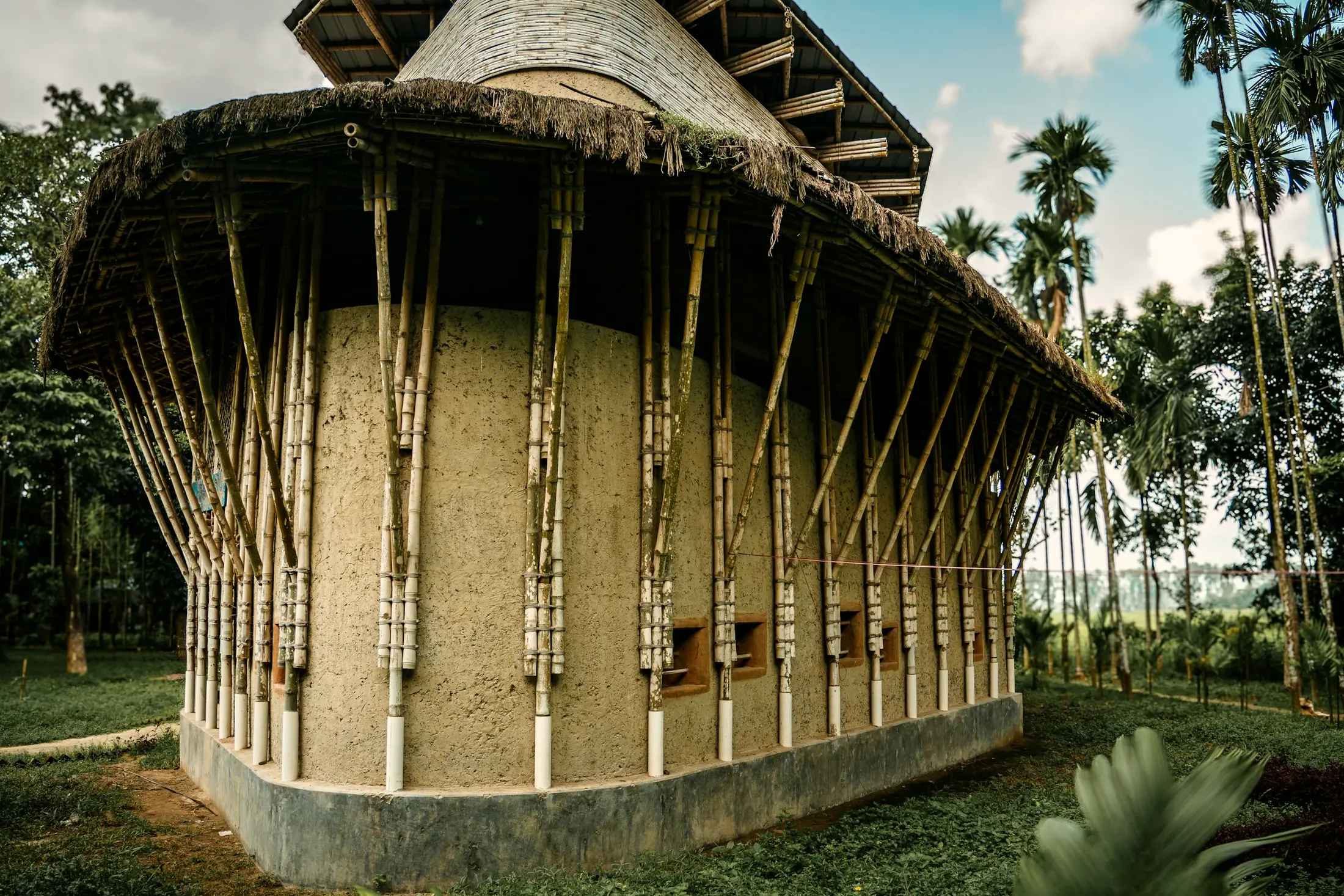
The making
Earth, bamboo and two dry seasons.
Why rammed earth
Quảng Nam builders once made houses from the ground beneath their feet. Rammed earth stays cool by day and gives back warmth at night, needs no paint, and when it is no longer wanted it goes back to the field. Our earth came from the pond we dug to hold water for the garden, mixed with a little lime and river gravel, and rammed fifteen centimetres at a time inside timber forms.
In numbers
- 1.200 m³
- of rammed earth, all dug on site
- 4.000
- Quảng Nam bamboo poles, mud-cured three months
- 38.000
- reclaimed clay roof tiles
- 22
- builders, most of them from Cẩm Hà
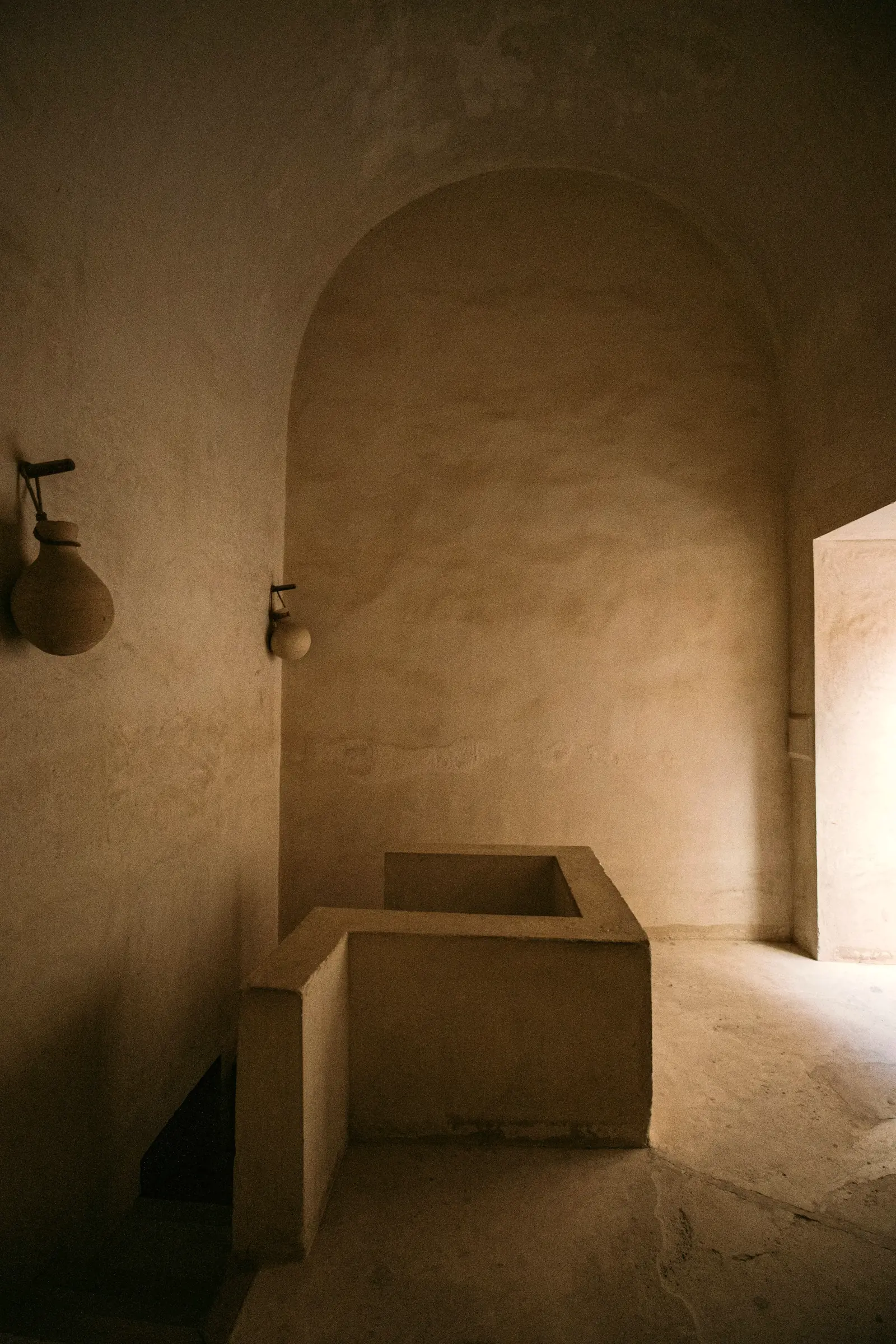
Step one
Ramming the walls
Each wall takes about a week: damp earth poured into the form and pounded with wooden rammers until they bounce. The horizontal bands you see are the layers, one by one.
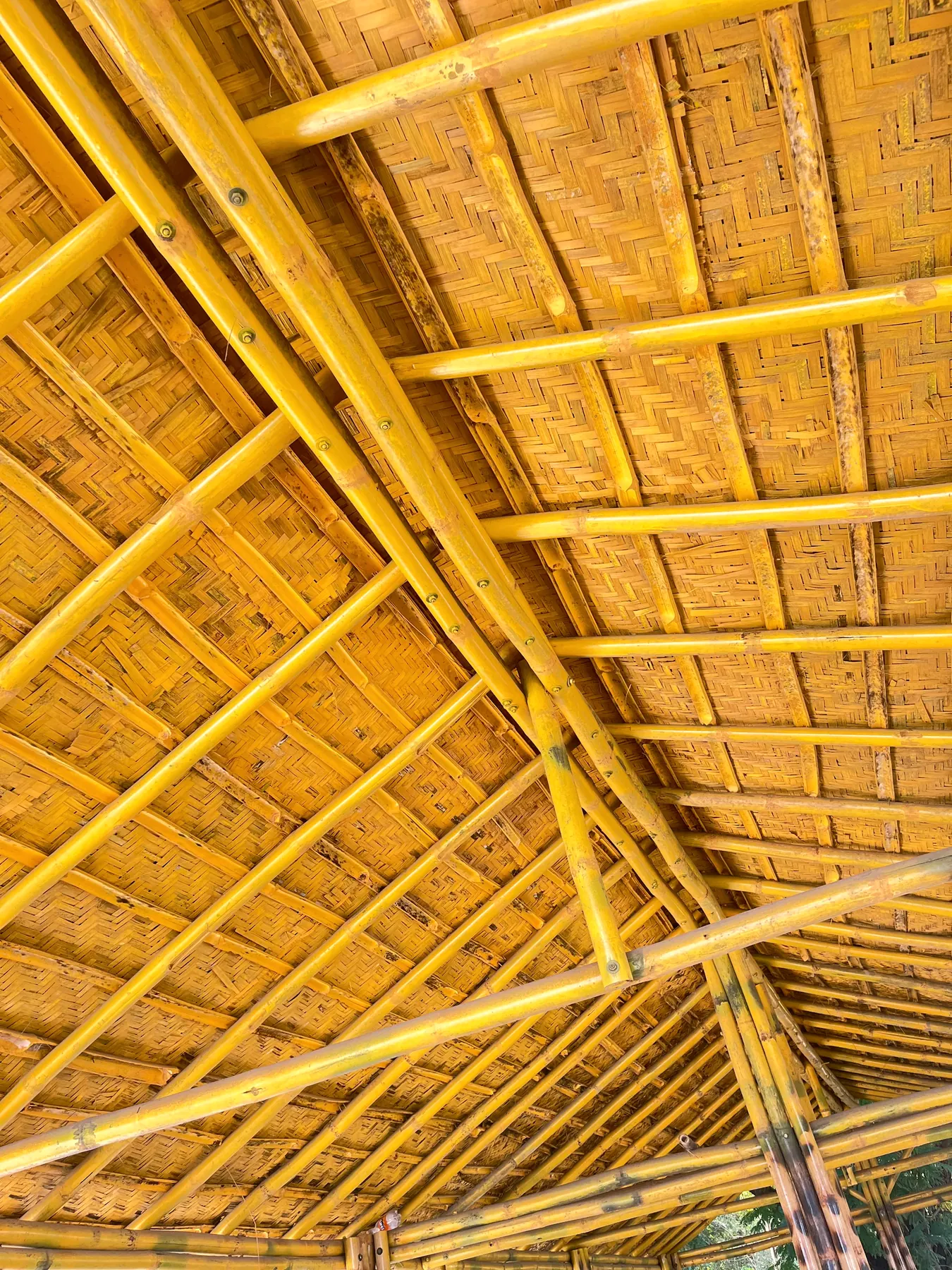
Step two
Bamboo frame, clay roof
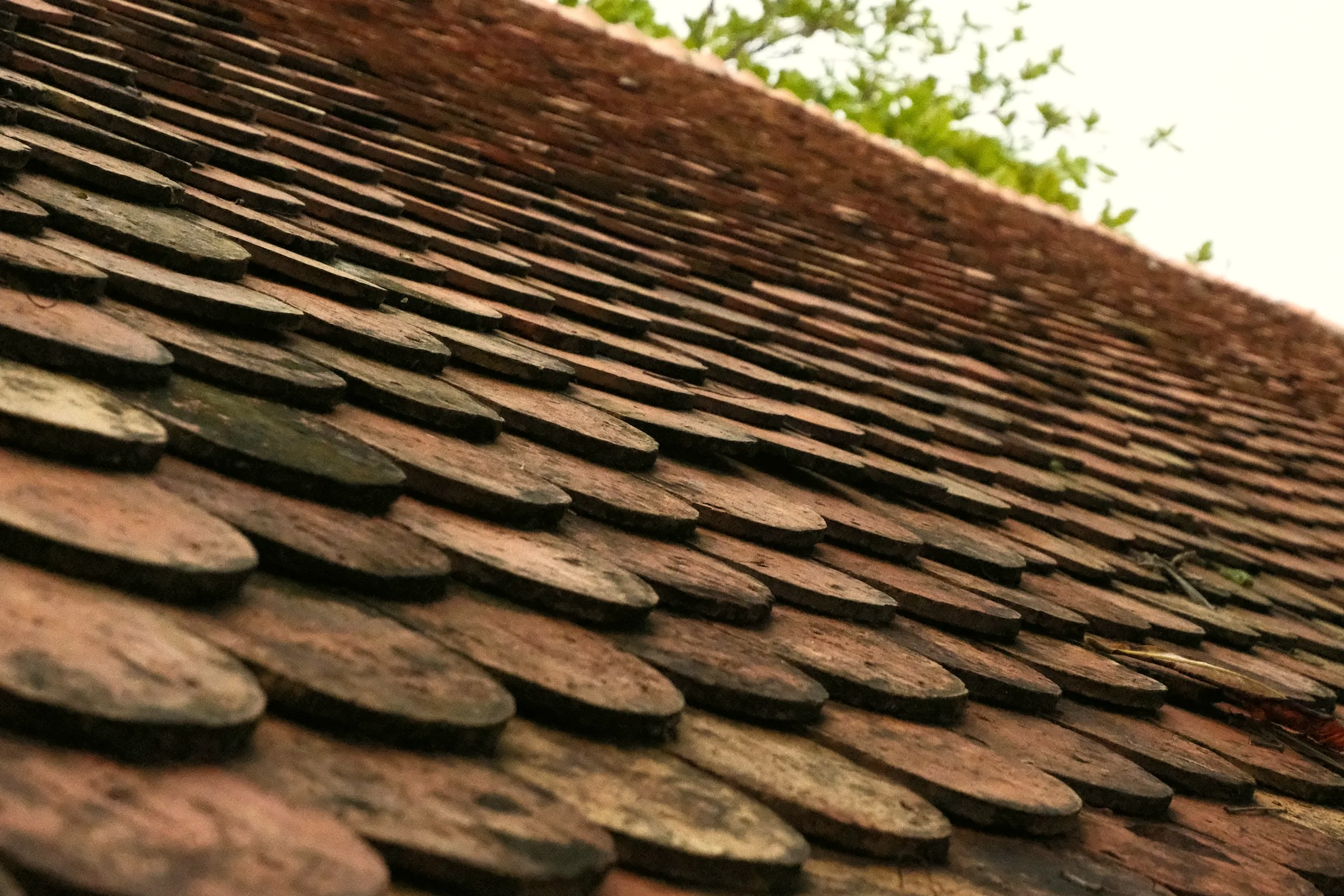
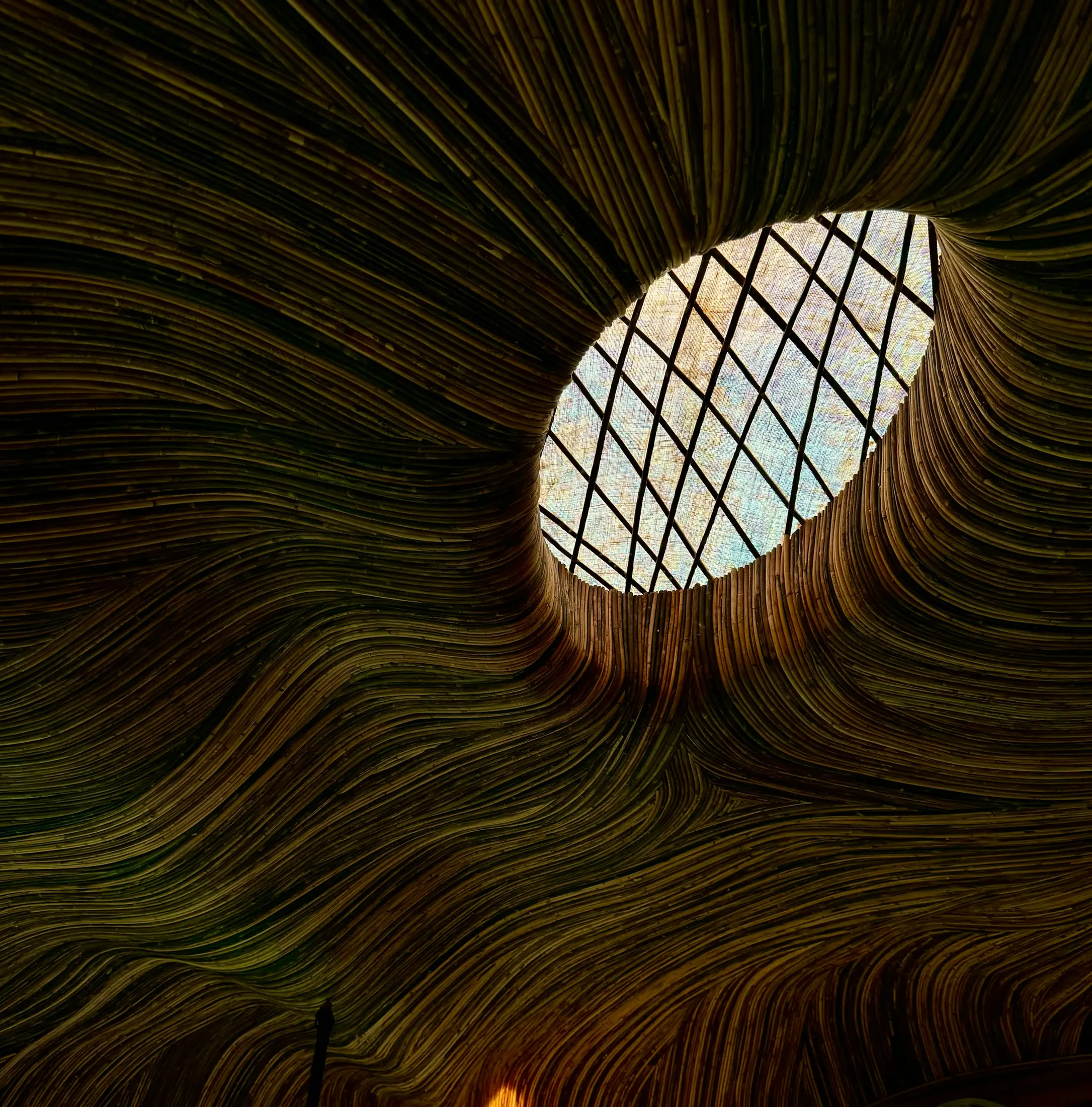
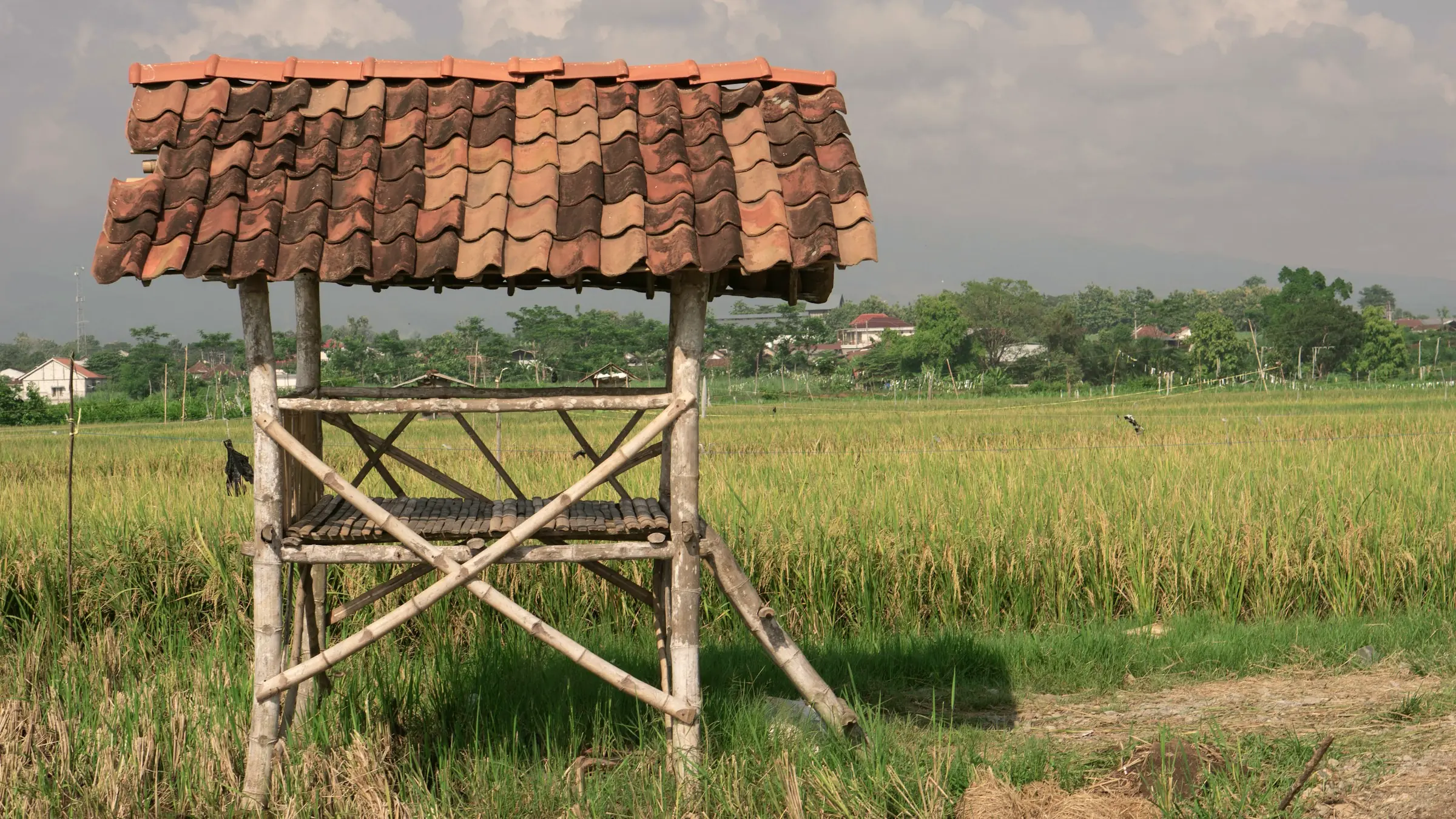
The bamboo soaked in mud for three months to draw out the sugars that attract insects, then was joined with bamboo pegs and rattan — not a single screw. The clay tiles came off old houses in Điện Bàn, washed and laid again.
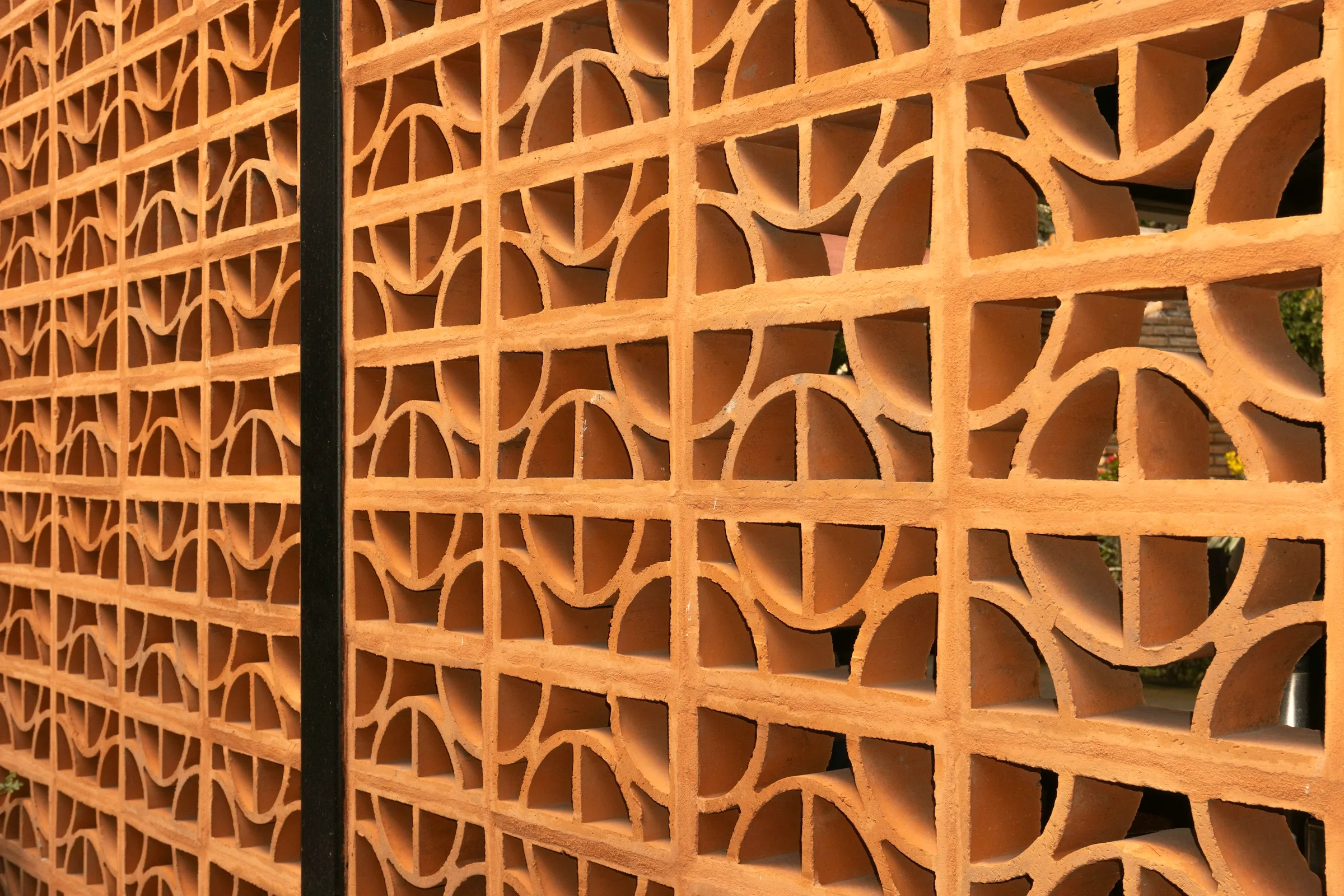
Step three
Breeze blocks and details
Breeze blocks fired in Thanh Hà, bamboo lamps woven in Cẩm Kim, laterite tubs carved in Điện Bàn. Everything in the houses travelled here by motorbike from where it was made.
The site over two dry seasons
“An earth house is not afraid of rain. Only of someone forgetting to cap the top of the wall.”